
Choosing Curiosity During Difficult Conversations | Empowered Educator
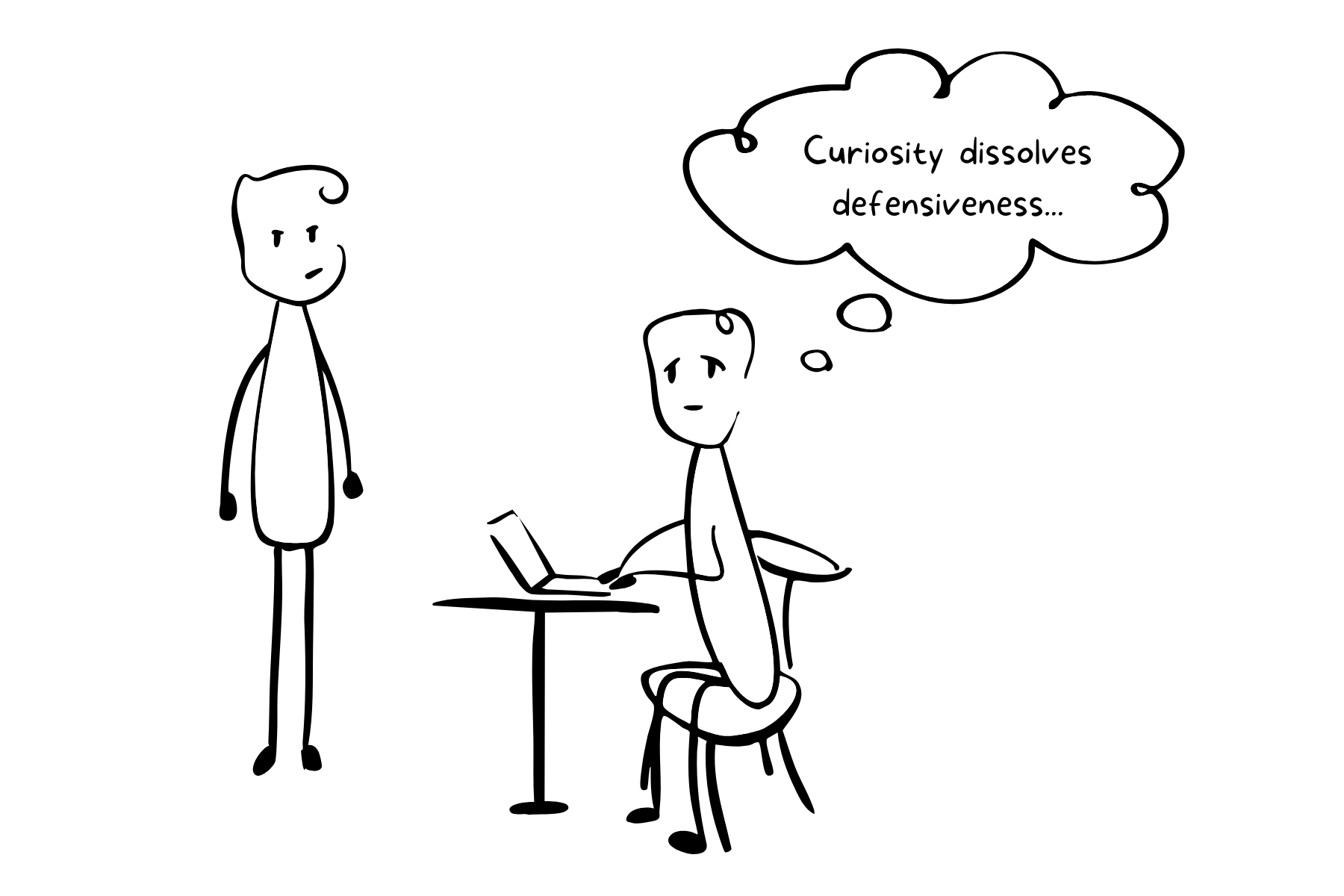
One summer, a parent stormed into my office, visibly upset and loudly insisting that their child had been treated unfairly. My immediate reaction was to defend my teacher, the school's policy, and myself.
And then I remembered something from my coaching work: Curiosity dissolves defensiveness.
So instead of explaining, I asked, “Can you share more about what specifically has been frustrating or upsetting for you regarding your child’s experiences with peers?”
The tone shifted. We began talking with each other, not at each other.
Conflict has a way of triggering our need for control. And let me tell you, I did not want to be curious in that moment. I felt blindsided, and their emotion initially put me on the defensive.
I also knew that if I stayed in a controlled space, this would not go well for the parent or me. My practice of taking a deep breath and pausing to just listen first was helpful that day.
Because conflict can be a moment that calls on us to choose curiosity over certainty. Coaching through conflict isn’t about winning; it’s about widening perspective.
By the end of that meeting, we hadn’t solved everything, but we’d restored connection. The parent left with a little more trust.
When we model calm curiosity, we don’t just resolve issues; we teach others how to navigate them, too.
📌 Thought Spark:
You don’t have to stop conflict; you just have to stay curious inside it.
Try This:
Before responding to anger or defensiveness, ask yourself:
- “What might this person be afraid of losing?”
- “What question could invite us both to see this differently?”
- “What unspoken insight do they have that could address this challenge?”
Your Turn:
Reflect on your most recent conflict with a parent, peer, or team member. How might curiosity have changed the conversation?