
Navigating the Fog: Leading Through Uncertainty | Mindshift Moments
The Moment:
You’ve got a meeting on the calendar tomorrow to talk with a team member about a sensitive issue. You’ve replayed the conversation in your head a dozen times, but you still don’t know how it’s going to land.
At the same time, a new initiative is launching next quarter and no one can say for sure if it will work. The budget’s shifting again. A key hire just backed out.
It feels like everything around you is a moving target. And even though you’re experienced and capable, there’s this quiet hum of pressure: I should know how to handle this better.
The Mindshift:
Most of what we call “leadership” today isn’t about following a clear plan anymore - it’s about navigating the fog.
Here’s the thing: you’ve already been leading through uncertainty. You’ve been doing it every time you step into a hard conversation, launch an idea without knowing if it’ll work, or make a decision with imperfect information.
Decades ago, most work was predictable (routine operations, clear cause and effect, and so on). Today, much of our work takes place in unpredictable spaces: people, ideas, innovation, and communication. Every day, you and your team are making judgment calls in real time. That’s uncertainty.
What’s new isn’t that uncertainty exists, but what might be new is that you’re naming it and realizing it requires a totally different way of leading. It’s not about confidence that everything will work out. It’s about having confidence that you’ll continue to lead as it unfolds.
The leaders who thrive in uncertainty don’t wait for clarity before acting - they create clarity through small steps and regulate their own thinking. They experiment, stay curious, and model what it looks like to stay steady when the path ahead is still forming. They understand it is where learning, innovation, and trust are built. When you treat uncertainty as the work, not a distraction from it, everything changes.
The Strategies:
Here are some small shifts you can make when you are leading in uncertainty:
1. Normalize not knowing.
Start meetings or conversations by naming what’s unclear instead of pretending everything’s certain. Say: Here’s what we know. Here’s what we don’t yet. Here’s how we’ll learn as we go. This sets the stage and builds psychological safety faster than false certainty ever could.
2. Take smaller steps.
When things feel foggy, shrink the decision horizon. Try 30-day pilots, prototype ideas, or test micro-adjustments. Identify one thing you can do today that moves the needle. You’ll learn faster, lower risk, and build team confidence in navigating change.
3. Lead Hard Conversations with Curiosity.
When things feel uncertain in conversations, especially hard ones, it’s easy to rush to control or defend. But curiosity changes the whole dynamic. It turns tension into understanding. Start with questions that open space instead of shutting it down:
- Can you tell me more about what led you here?
- What’s feeling hardest for you about this right now?
- What outcome are you hoping for?
- What might I not be seeing here?
You don’t have to have the perfect answer, just the courage to stay curious long enough to uncover it together.
4. Regulate before you react.
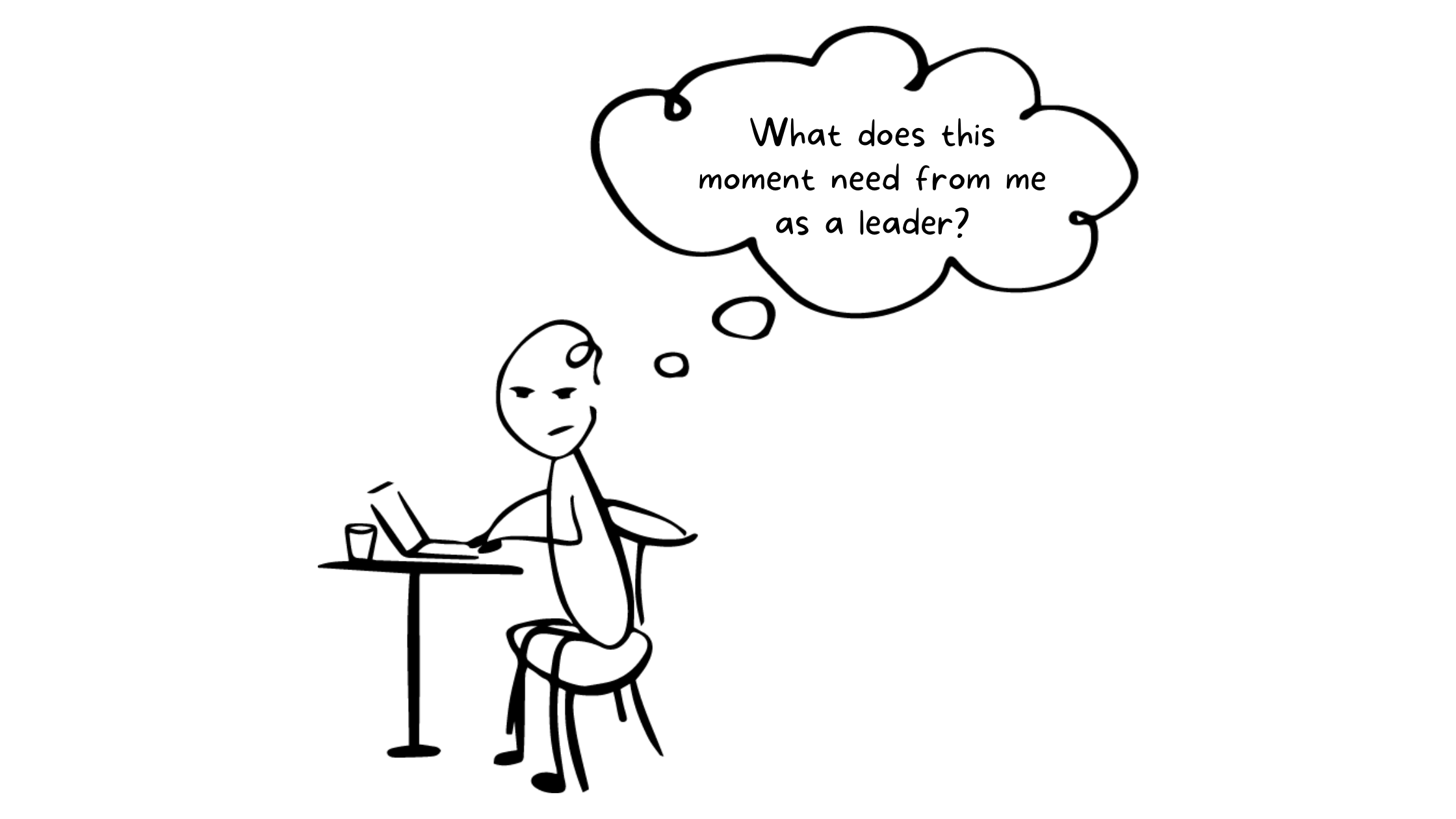
Uncertainty triggers your brain’s threat system, which makes you react to the situation rather than choose your response. Self-regulation is key. Pause. Breathe. Name what’s happening (“this feels uncertain”) and activate your curiosity with a powerful question: What does this moment need from me as a leader?
That small reset allows your thinking brain to take back the wheel so you can respond with clarity instead of reactivity.
Leading through uncertainty isn’t about having all the answers or controlling every outcome. It’s about showing up differently when the path isn’t clear. When you do this well, you don’t just survive uncertainty, you turn it into a growth engine for your people, your projects, and your organization. That’s how uncertainty turns into your team’s most significant advantage.