
The Hidden Cost of Making It Work as a Leader | Mindshift Moments
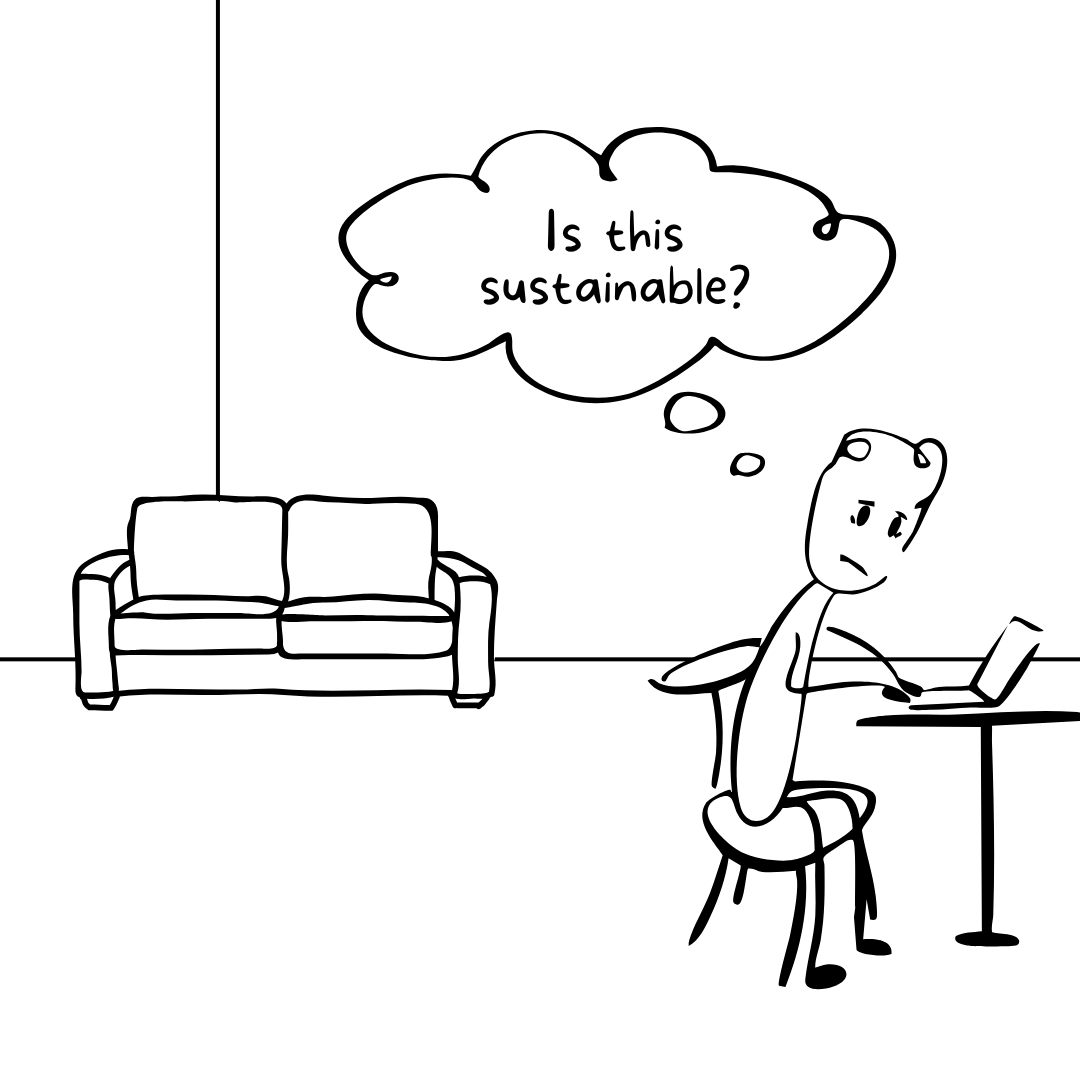
The Moment:
It's 8:30 p.m. You finally answered the last email. Tomorrow's presentation is ready. The kids are asleep. You skipped your workout…again. You forgot to eat dinner. You look at your calendar for tomorrow and think: Well...at least I got everything done.
The Mindshift:
Or maybe you just absorbed every cost yourself. One of the biggest lies high-performing leaders tell themselves is: If I can make it work, then it must be working. Those are two completely different things. Making it work often means:
- sacrificing recovery
- protecting everyone else from consequences
- carrying work no one knows you're carrying
- paying all of the costs yourself
And because the work gets done...no one realizes there's a cost. Including you. The real question isn't: Can I make this work? It's: What is this costing me to make it work? And is that a cost I’m really willing to pay?
Because every time you absorb the cost instead of exposing it, the system only learns that you’ll figure it out. Again.
The Strategies:
1. Delegate for development, not relief.
The next time you catch yourself thinking, "I just need to get this off my plate," stop and ask yourself: Who could grow from owning this?
Then treat it like a development opportunity, not a task transfer. That means choosing work with enough runway to learn, setting clear expectations, coaching instead of rescuing, and building in reflection afterward. If you simply hand off work because you're overwhelmed, you'll probably end up taking it back. But if you intentionally develop someone's capability, you're not just creating capacity for this week - you're creating capacity for the future. The goal shifts from getting something off your plate to making sure it never has to come back.
2. Expose the invisible trade-offs.
The next time someone asks you to take on one more thing say, I'm happy to do that. Let's talk about what moves down the priority list so I can give this the attention it deserves.
High-performing leaders often absorb trade-offs silently. But when no one can see the trade-offs, the organization learns the dangerous lesson that everything can always get done. Make the trade-offs visible. That's how better prioritization begins.
3. Stop measuring success by whether you survived the week.
At the end of the week, don't ask yourself, "Did I get everything done?" Instead ask: What did I build this week that creates momentum?
Maybe you developed someone's capability, improved a process, clarified a decision that prevented future confusion, invested in your own training and development. Start measuring the things you did that actually move yourself and your team forward.
High-performing leaders can make almost anything work…for a while. The question isn't whether you can keep doing it. The question is what it's costing you, your team, and the system every time you do. Try one of these experiments this month. Because if the only reason everything is working is that you're carrying it, it isn't really working at all.